

Danish-born, London-residing, Martin Andersen likes to keep himself very busy. Graphic designer, photographer, film maker, documentarist, musician, family man, music buff and football fan, he boasts an incredible portfolio of versatile work. At the turn of the new millennium, whilst studying at the Royal College and on recommendation from tutor, Russell Mills, he suddenly found himself working alongside the legendary, Vaughan Oliver, as part of 4AD Records’ graphic powerhouse, v23. Our paths have crossed many times since but it’s only now that we’ve really discussed his inspirations, idols and ideology.
Glen : Tell us a bit about how you ended up in London. Did you always want to be a designer? And did you want to work specifically with music graphics?
Martin : I moved to the UK in 1992 to study design, after having graduated from 3 years of Business Studies in Denmark. At the beginning of my studies, I was equally passionate about drawing and initially wanted to be an illustrator but I became much more interested in design, once I discovered the consistently beautiful record sleeves of v23 and also the design book, ‘Typography Now: The Next Wave,’ by Rick Poynor (1991). I hadn’t enjoyed my Business Studies but was determined to succeed, so worked very hard. I’ve always been interested in learning new techniques and skills and absorbed everything I could from my peers and teachers.
I did my BA at Ravensbourne (media and design university in London). I applied mainly because it was based on the Bauhaus theories and was very type-intensive and taught by the legendary designer, Geoff White but also because David Bowie had studied his foundation there. Then I moved on to do my MA (Master of Arts) at the RCA between 1996–1998 and most of my projects were music-related by then.
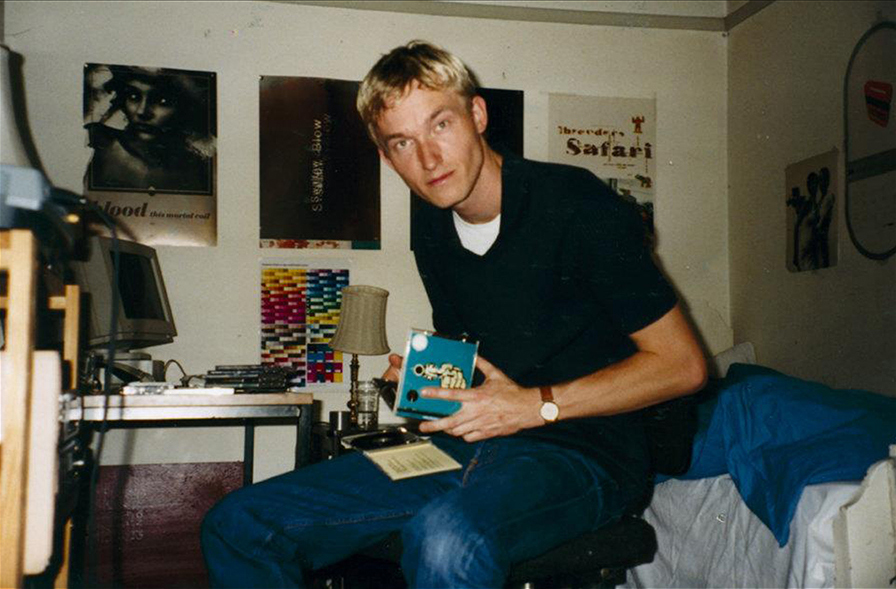
Note the 4AD, Vaughan Oliver-designed promo posters on the walls.
Who were your design heroes/inspirations when you were younger?
Martin : I was very inspired by the book, ‘Bauhaus,’ by Magdalena Droste, which my dad bought me when I was about 16. I was especially drawn to the work of László Moholy-Nagy, Herbert Bayer and Jan Tschichold. I was also fascinated by the work of Piet Zwart and Max Bill. Alongside design, I was also hugely inspired by the films of David Lynch, Kenneth Anger, John Waters and artists such as Antoni Tàpies, Georg Kern Baselitz and Cy Twombly.
What kind of music were you listening to in your youth?
Martin : Well, I am not going to pretend to be cool here – it’s been a bit of a journey. My dad bought me the first three Boney M albums, alongside my first cassette tape player, when I was 6 and I listened to those tapes in my room over and over again and remember being fascinated by the slightly inappropriate covers (at least, for a 6-year-old).

Then, when I was slightly older, around 8–10, it was early Depeche Mode and Duran Duran (my bedroom wall was covered in their posters). Then I moved on to David Bowie and The Cure.
I grew up in a small fishing village and none of my friends were into music, so I was fairly slow at discovering things but our local library suddenly started having issues of NME and Melody Maker and Select magazine and that’s when things started changing. Around 1988, I was heavily into Acid House. Then, around 1989–1991, I discovered Pixies ‘Come On Pilgrim’ and ‘Surfer Rosa,’ Ride ‘Nowhere,’ My Bloody Valentine ‘Isn’t Anything,’ Dead Can Dance ‘Spleen and Ideal,’ Nirvana ‘Bleach,’ Blur ‘Leisure,’ Slowdive ‘Just for a Day.’ Also, more hardcore bands, such as Butthole Surfers, Brainbombs and No Trend. Like most teenagers of my generation, I was obsessed with music and spent all my pocket money on buying vinyl. I would make lists based on the reviews and then order the records through our small local record shop. It would take months before they arrived but it was always exciting receiving them. Ever since then, music has played a huge part in my life and has helped form many friendships and experiences.
I’m always searching for new and interesting music that pushes my limits further. I have a huge collection of rare African vinyl records, mainly from equatorial Africa ’60–’70s. Most recently, I have really been into FUJI | | | | | || | | | | TA, a Japanese composer who builds his own organs and makes drone music.
How did you come to work at v23?
Martin : While I was at the Royal College, I was lucky to be taught by some fantastic artists, amongst many, Brian Eno, Russell Mills (artwork for Japan, David Sylvian, NIN, Michael Brook), Jon Wozencroft (Touch Records), Rick Poynor and Dan Fern. Upon graduating from the RCA, Russell Mills called Vaughan Oliver up without me knowing and told him that he should have a look at my portfolio. To my surprise Vaughan called me at home one evening and told me to come and see him with my portfolio the next day and a few weeks later I was part of the set-up at v23 (Vaughan Oliver, Chris Bigg, Tim Vary and myself).
I owe Russell so much for this incredible gesture and it has made an imprint on my own academic career and how important a graduation aftercare is. I am always doing my best to help my students find internships and jobs after they have left.

What are your memories of working there? Vaughan is often painted as a loveable eccentric with a great sense of humour. Was that your experience of working with him? Any anecdotes?
Martin : I will always treasure my memories from those years. It was such an honour to be part of that studio. Both Vaughan and Chris are, in my opinion, some of the best graphic designers of their generation. Vaughan and I became really close during those years and we spent a lot of time together also outside work, playing football, looking at art and photography books, etc.
I am sure most people who knew Vaughan would all say that he was a highly intelligent, loveable, incredibly inspirational and fun person, with a dark sense of humour and at the same time, he could be a very complicated soul.
Before I started, I knew their work was admired but I had no idea to the extent. We had a small exhibition in Paris and there was a queue around several blocks. We also had people going through the skips outside the studio trying to find scraps of paper and layouts we had thrown out.
People would visit from all around the world just to meet Vaughan and have their records and posters signed. It was pretty crazy really. That music and those sleeve design meant so much to so many people and I am honoured to have been a small part of that.
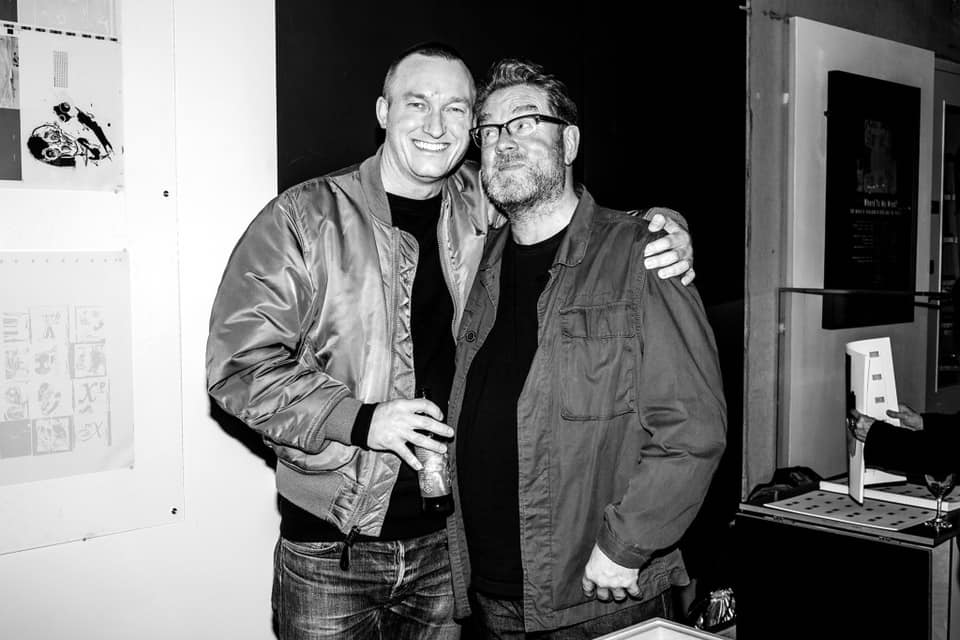
There was a great atmosphere in the studio, loud music and a hint of madness lingering in the air. We all worked very hard but we also played equally hard. It was pretty hedonistic. Some days would start with drinks at 10am and continue until late into the night. At times, it felt more like being in a rock band than working for a design studio but it was fun and joyful. We never really felt that we fitted in with the rest of the design gang and never attended private views, lectures and all that. We all felt like outsiders in that respect.
There are lots of crazy stories from that period but I have too much respect for Vaughan and Chris to gossip about it all. I’ll take that to the grave with me. …“Don’t mention Monkey Island…”
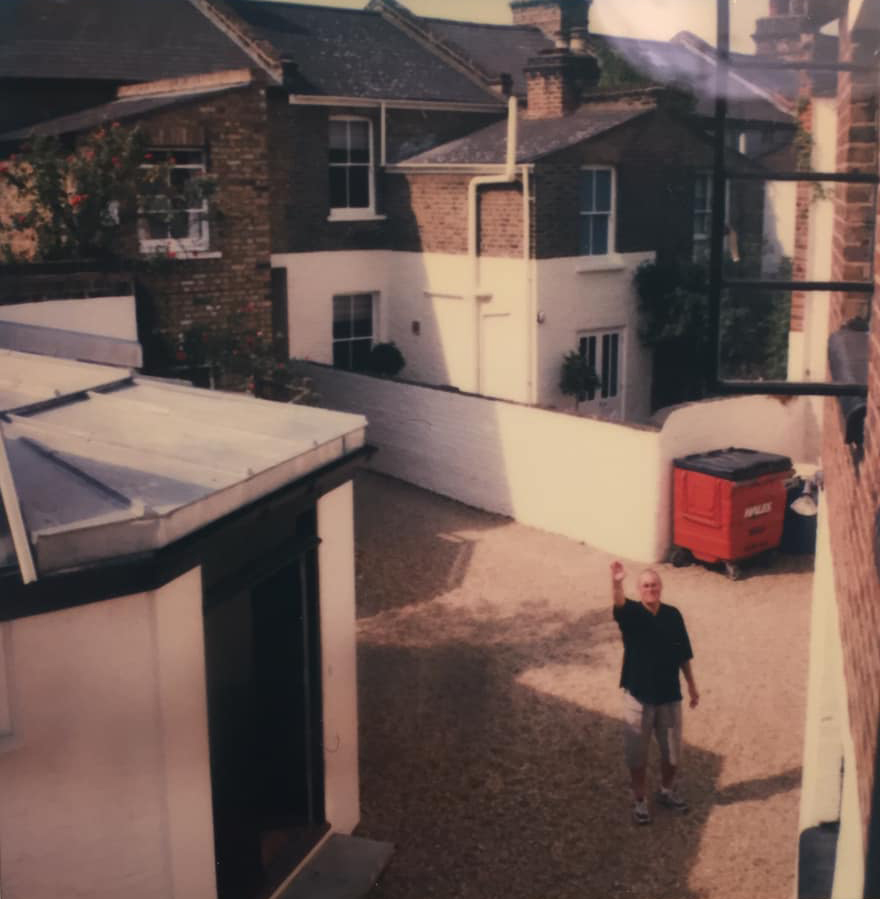
What was your experience of 4AD generally at the time? Ed Horrox and Chris Sharp were newly at the helm then? At the turn of the millennium, the Ivo-identity had almost entirely been whitewashed, hadn’t it?
Martin : It was a tricky period for the music industry in general. Napster and the other file sharing sites had just ruined it all within a couple of months. People stopped buying music and our budgets got cut significantly, which made it impossible for us to spend the time we used to and it also meant that we rarely had budgets for wet proofs and print tests, etc.
The trips over to the label (Alma Road, Wandsworth) were always great. There were so many lovely people working there and you would always leave with bags full of records or end up having a drinking session in The Alma (pub).
With regards to Ed and Chris taking over from Ivo, I think it was an impossible job to take over from someone who had built such a unique rooster of artists and his own unique vision of what the record label should sound and look like. He was such a unique and talented person and followed his instincts. You simply can’t replace someone like that. It’s like being the football player who had to replace Maradona. No chance! However, I think they have some good signings. I particularly like Aldous Harding; she is an incredible artist. I also liked Ariel Pink. I recommended him to 4AD back in 2000 after seeing him play in New York. But 4AD is not the same as it was, and it can’t be and it shouldn’t be. But as a designer and a fan of those Ivo/v23 years, it does pains me that the label has totally lost its visual identity. There is no quality control or consistency anymore.
Who were your favourite artists you worked with from that time?
Martin : Most of them were very kind and respectful and just let us get on with the design job. To be honest it is all a bit of an intoxicated blur. Andrew from the Wolfgang Press and I both lived in East London, so we saw each other quite a bit outside work. I remember Vinny Miller visiting a few times and he was really interesting. His early demos for 4AD were absolutely brilliant. it is such a shame they never got released.
I grew up a massive Pixies fan, so it was slightly surreal suddenly having phone conversations with Kim Deal. She is such an inspirational and talented unique artist. I am happy to still be involved in her projects to this day.

Charles (Pixies) is such a lovely man. Vaughan and his wife Lee and I once had a hilarious very late night with him in a whisky bar in Greenwich. That was the last time I saw Vaughan in person. I still hold those memories in high regard.
Which sleeve designs are you most proud of from your v23 tenure? I remember been blown away by your concept for Magnétophone’s ‘I Guess Sometimes I Need To Be Reminded Of How Much You Love Me’ (the double vinyl packaged in two inner sleeves made of thick off-white cardstock in a 3/4 height main sleeve that leaves the top 1/4 exposed). How the hell did you get that past the accountants?
Martin : Yes, those Magnétophone releases (‘Come on the Phone‘ and ‘I Guess Sometimes I Need To Be Reminded Of How Much You Love Me’) are my favourite music packaging projects from that time. They were the first projects I was allowed to art direct, design and photograph myself. I don’t think it actually cost more. We simply had the sleeves trimmed. It was actually Chris’ idea. It was a small budget job and we had to think of a way to make it feel unique without spending extra. We cut the sleeves in half and printed on the inside of the white inner bags. I am sure some of the people at 4AD thought it was a crazy idea and they must have been worried about the protection of the inner sleeves but it gave the band some publicity. It was voted the best 4AD sleeve that year by some magazine, which infuriated Vaughan.
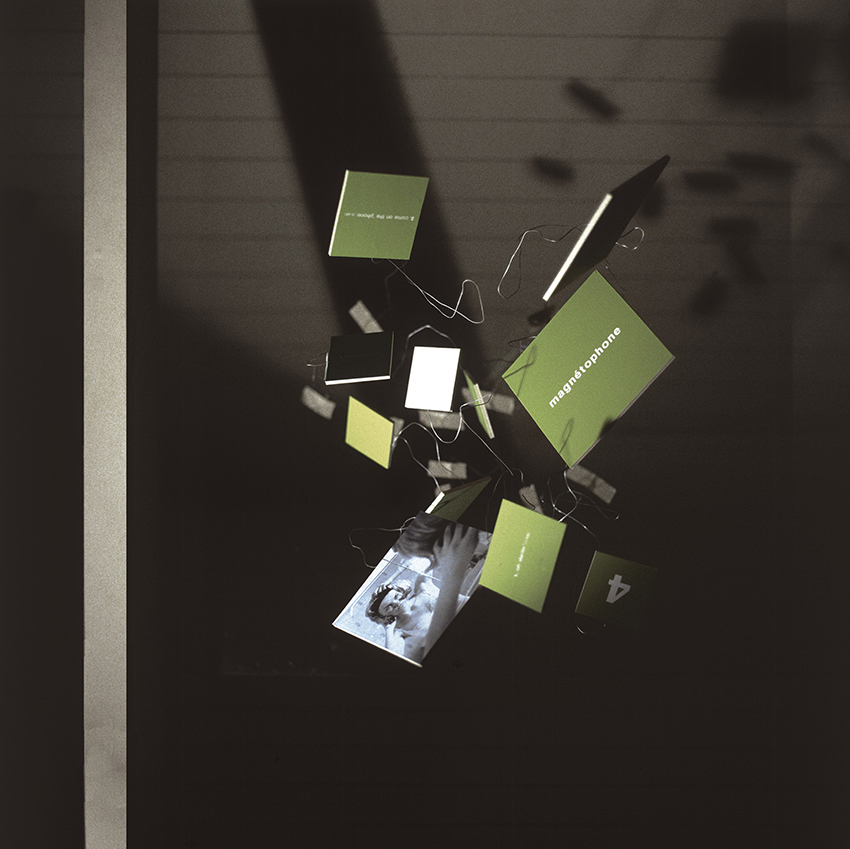
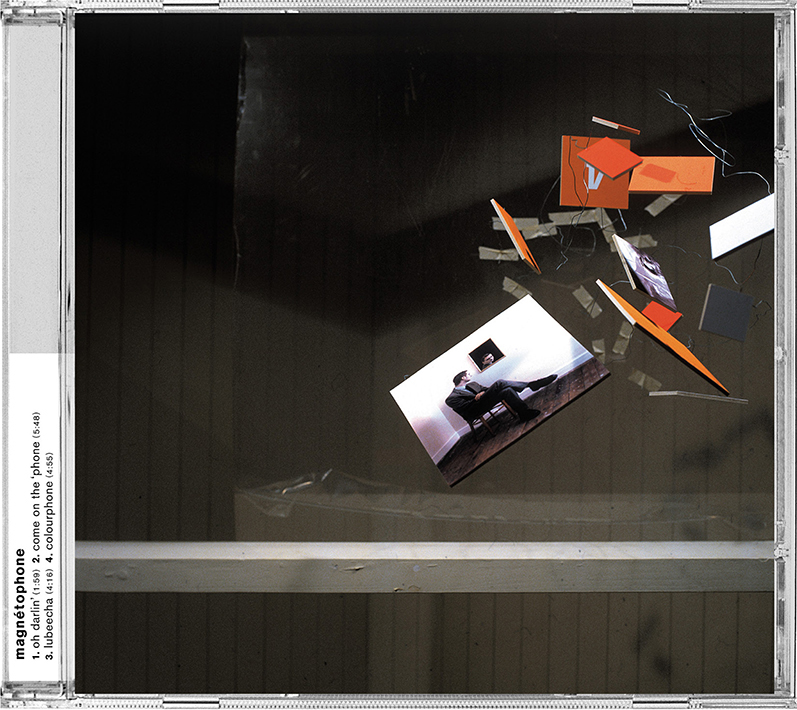
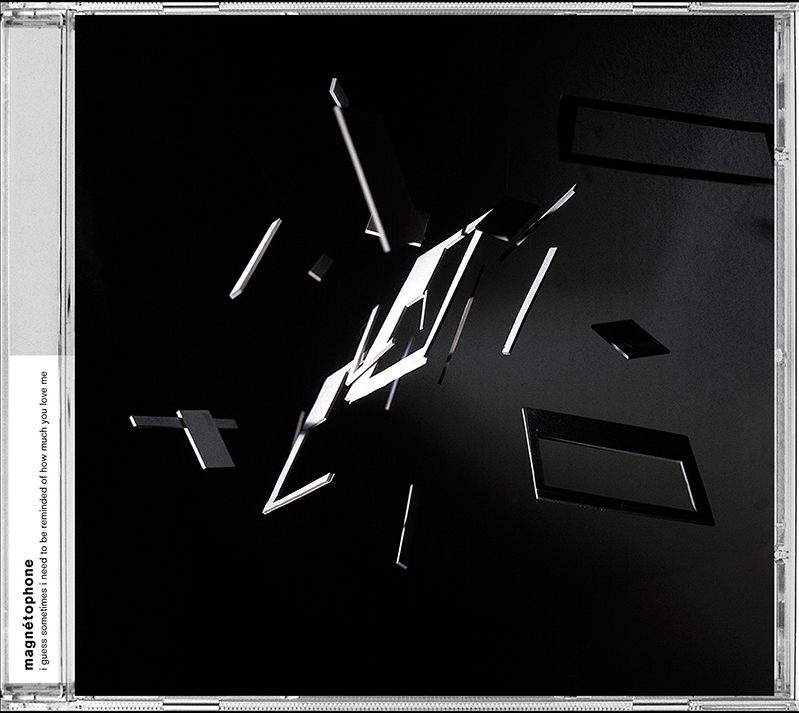
The first v23 cover I designed was His Name is Alive – ‘Can’t Always Be Loved,’ so that was a special feeling. During those years, I really loved the sleeves we designed for Pablo’s Eye, even though I wasn’t directly involved with that project. We screen-printed the logo and type on top of all these old atlases and used them as the sleeves (each one being unique).
I also really enjoyed the (Piano Magic) ‘Son de Mar’ cover. I remember going up to see you (Piano Magic) with Ed Horrox, while you were recording ‘Writers Without Homes’ (at Woodbine St Studios, Leamington Spa). I was the one who introduced Vaughan and Chris to Piano Magic. I used to bring ‘A Trick Of The Sea (Bliss Out Vol. 13)’ into the studio and it would be on repeat for days.
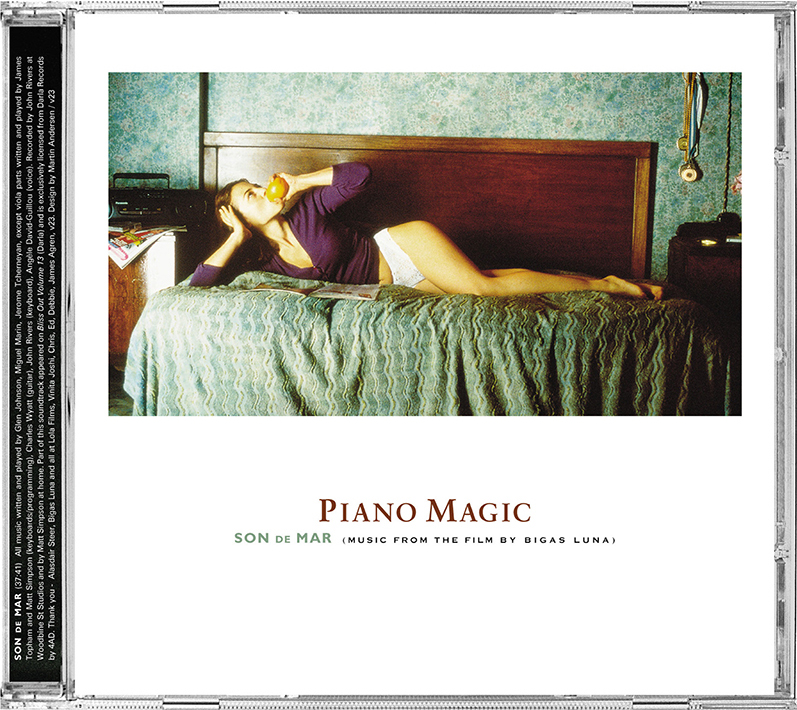
There were so many interesting projects. I was more or less involved in all the compilations that were released at that time. The last project I designed while at v23 felt special, as it was Vaughan Oliver’s book, ‘Visceral Pleasures’. It was a shame the publisher didn’t push the production of the book. It could have been such a beautiful artefact with the right paper, binding and an extra ink.
What’s your favourite cover/design by Vaughan?
Martin : I have so many favourites, but if I have to pick one it has to be Ultra Vivid Scene – ‘Ultra Vivid Scene’ (the one with the toothbrush and the tape).

Some of my other favourite v23 artworks are:
His Name Is Alive – The Dirt Eaters
His Name Is Alive – Livonia
Lisa Gerrard – The Mirror Pool
Lush – Mad Love
Lush – Spooky
Michael Brook – Albino Alligator
Pixies – Here Comes Your Man
Pixies – Doolittle
Tarnation – Mirador
This Mortal Coil – Blood
What’s your favourite record cover/design of all-time?
Martin : Impossible to answer. I don’t know. Today, maybe this one.
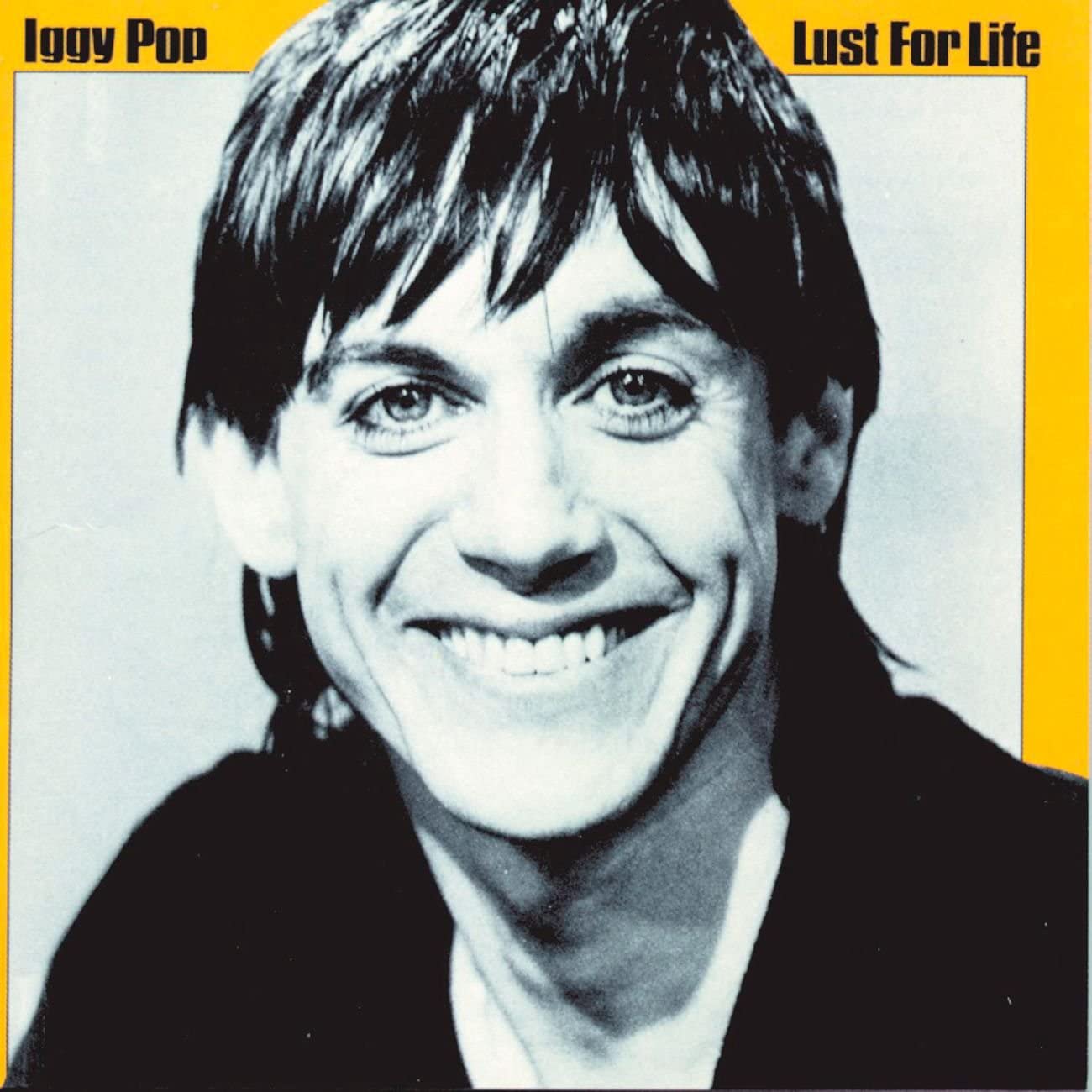
I know that was also one of Vaughan’s all-time favourites. It’s that look in his eyes, so full of joy and “lust for life.”
You’ve worked, on and off, with Chris Bigg since your time at v23. How does your collaboration work? You worked together on the Pixies new album, ‘Doggerel.’ Where do you start with a project like that?
Martin : Chris is one of my best friends, we have known each other for so many years and worked on so many projects together. He is an incredibly talented designer. We have a natural way of working with each other and we seem to be drawn towards the same inspirations and expressions. It is always an exciting process when we start a new project together.
The Pixies project was a weird one. I don’t personally think they picked the best of our ideas, to be honest. We had one that we both really liked but unfortunately that one wasn’t picked. I hope we will find another home for those images one day.
The process is normally quite seamless. We always start by listening to the music; reading the lyrics and song titles and discuss any ideas the artist might have. We basically go on a search for visual triggers. A lot of time is spent researching and experimenting but at the same time we both like to start visualising from the get-go. This is as important as the research and it can lead you down new paths you didn’t expect. We both share a love for working analogue and embrace accidents and mistakes. It’s all about surprising yourself and pushing it out to something unfamiliar and new but ultimately the goal is to create something that conveys the music somehow and this is often very visceral. We talk a lot and then we go away and do our thing. Chris goes away and starts drawing up logos and type ideas and I’ll go away and do my “thing” with the camera. It is often a process that takes a few turns and we rarely end up where we started – it’s that journey that is the exciting part.
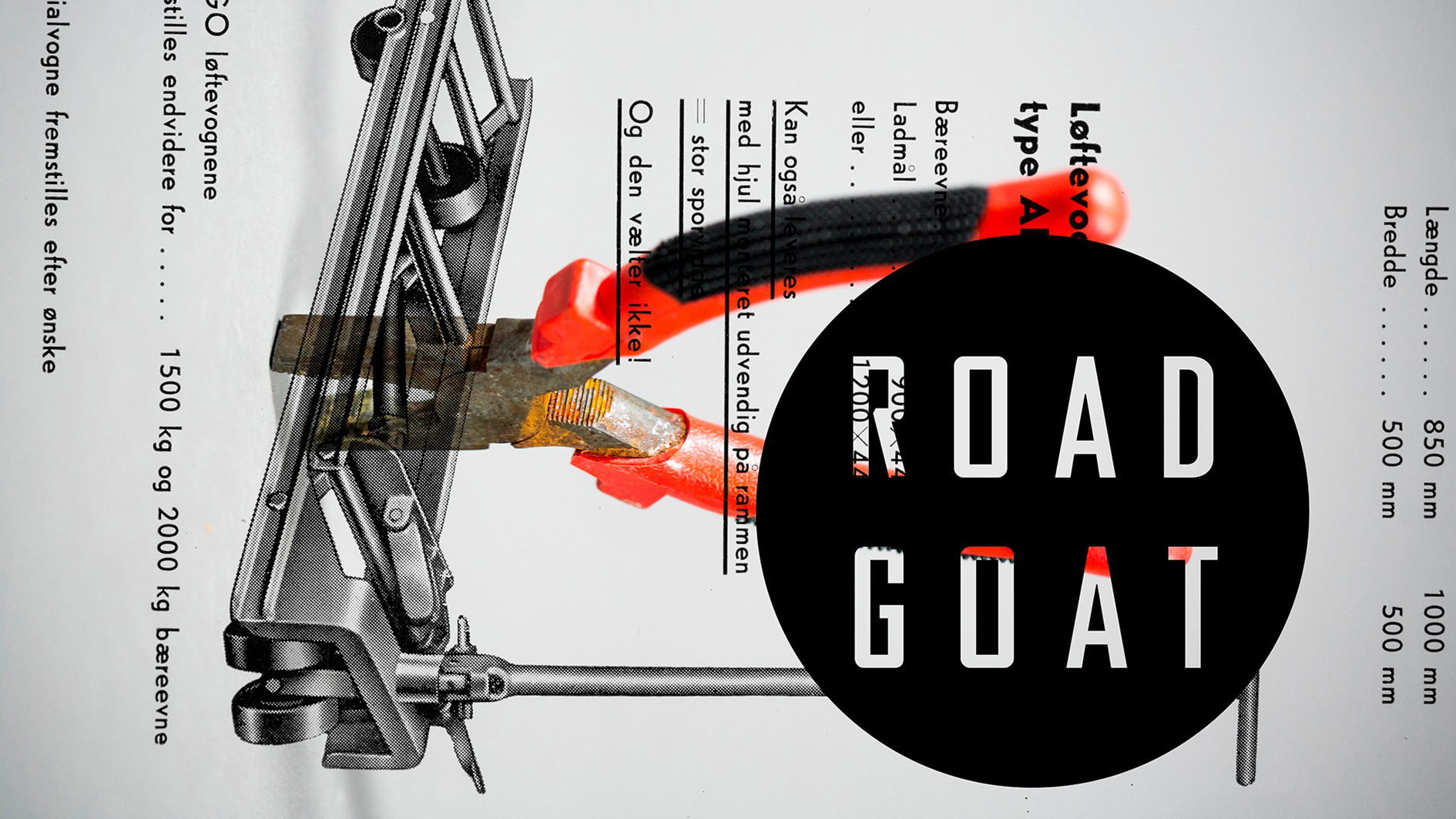
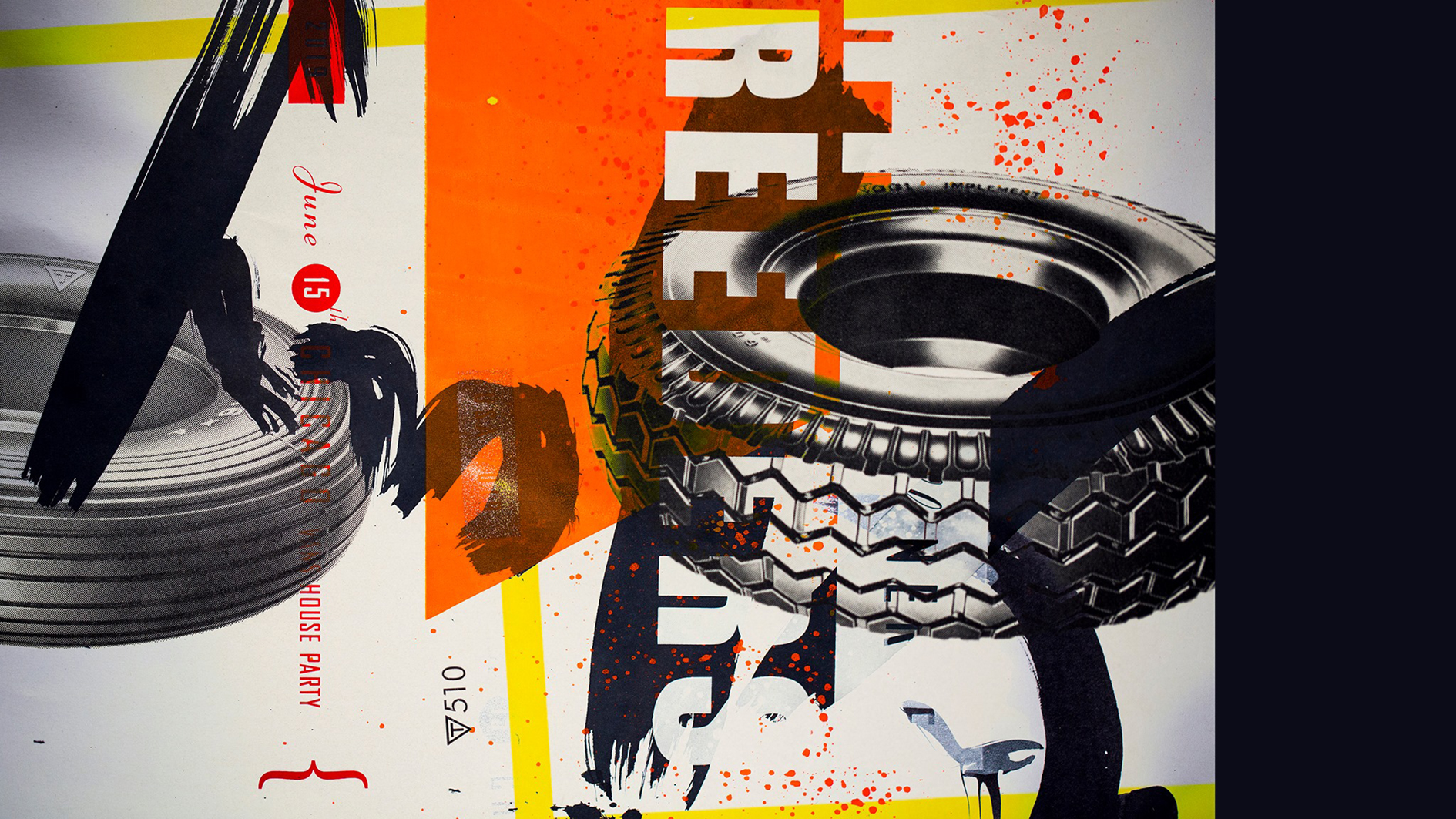
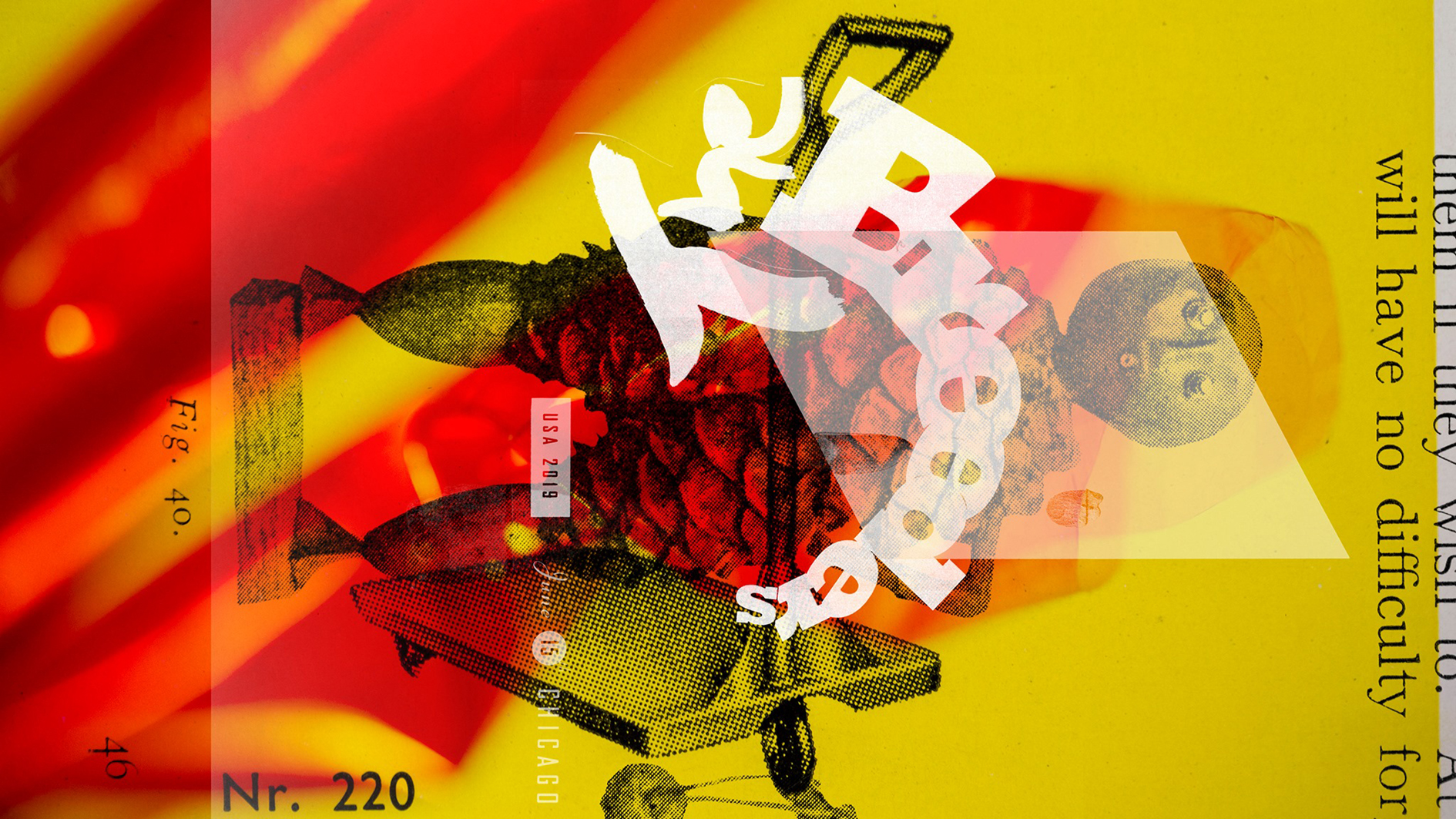
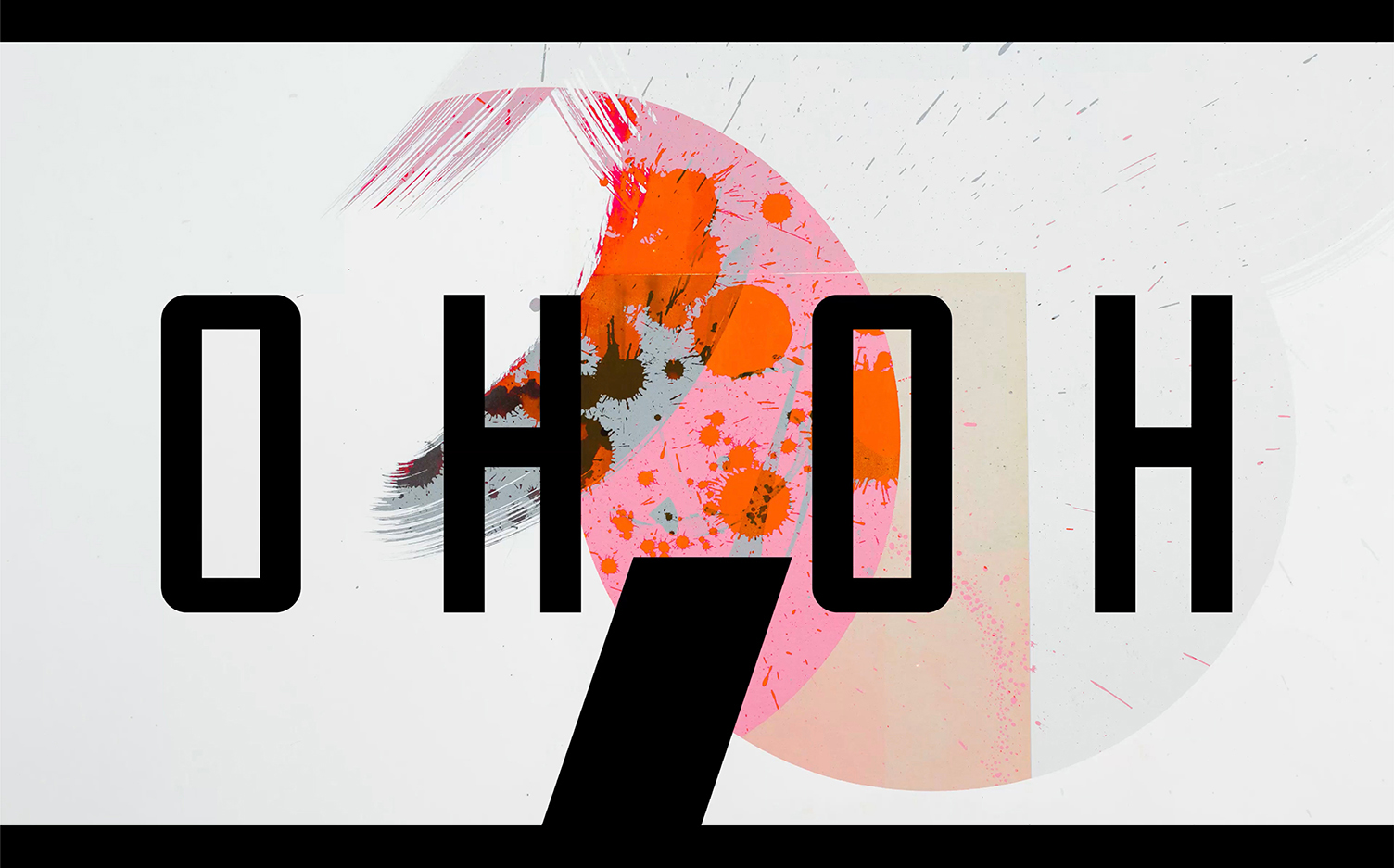
One of my favourite collaborations with Chris has to be ‘The Breeders – All Nerve’. We were lucky to be allowed plenty of time for this project and we made so much work for that release. I think we did 3 singles, 2 albums, tour visuals, a music video and visuals for a skate park in the States. The idea was based around a simple brick. There was a concept behind it which I won’t go into but we created all these visual experiments using double and triple exposures, all done in camera. It was so spontaneous and experimental and by the end of it, we had hundreds of outtakes, many of which we later used to make the music video, ‘Wait in the Car’. It became a fast-paced slideshow of all those experiments.

Favourite 4AD record?
Martin : Today, it is one of these…
Clan Of Xymox – Clan Of Xymox
Pixies – Come On Pilgrim / Pixies – Surfer Rosa
Dead Can Dance – Within The Realm Of A Dying Sun
Dif Juz – Extractions
Bauhaus – In The Flat Field
This Mortal Coil – It’ll End in Tears
Red House Painters – Down Colorful Hill
What are your thoughts on the relationships record labels had with design (and designers) then, as opposed to now?
Martin : By “then”, do you mean 20–25 years ago? First of all, the budgets were very different, which means that you can no longer survive solely from doing music design and you often don’t have budgets for wet proofs and test printing on different paper stocks etc.
There have always been very few people in the industry who have any kind of visual awareness, which can be frustrating. This is what made 4AD under Ivo so unique. He had total respect for the design and understood the power of a label identity, while still keeping each artist visually unique.
Generally, I think there was a greater respect for our trade. It was a “specialists” job and it was seen as a real craft. It was a mystery working on layers of tracing papers, marking up the different printing specifications or simply just working in an analogue way. People didn’t quite understand how you did it. These days everyone with a laptop and a phone can call themselves a “designer” and “knock-out” some kind of acceptable artwork in no time and the mystery of it all has sort of been lost. You can then question if it is any good and if it reflects the music, etc but do most people care when viewed as a few pixels on a streaming service? I have experienced record labels creating their own posters or t-shirts from the artwork we have sent through and it’s a horrifying experience seeing it, as there’s no understanding of layout and composition. It’s frustrating and disrespectful but it’s often done innocently without even questioning if it is wrong.
Also, have your relationships with artists changed?
Martin : I don’t feel they have. I generally have very good relations with all the artists I work with and most jobs come directly from them, rather than the actual label. It is normally very relaxed and personal with mutual respect for each other’s work. Everyone seems to be onboard with the idea that the visuals should elevate the music and vice versa.
Let’s talk a bit about your design process. I particularly love your work with July Skies, Coldharbourstores, Sharron Kraus and Directorsound – all artists whose music perhaps evokes pastoral landscapes and nostalgia for a simpler, less toxic time? Where do you start with a project like that? How important is it to hear the music first? And how important is it to get the artist’s input?
Martin : All projects start by listening to the music and having conversations with the artists. I am always excited to listen to ideas and appreciate any input, as it helps with some visual starting points. Some artists are more involved in the design process than others, some allow me total artistic freedom and others have specific ideas about what they are looking for. Some share interesting stories or meanings about each of the tracks or the concept behind the album and some share visual references. The end goal should always be for the design to convey the feeling of the music and to feel fresh and new – working towards that is the joy of every project.
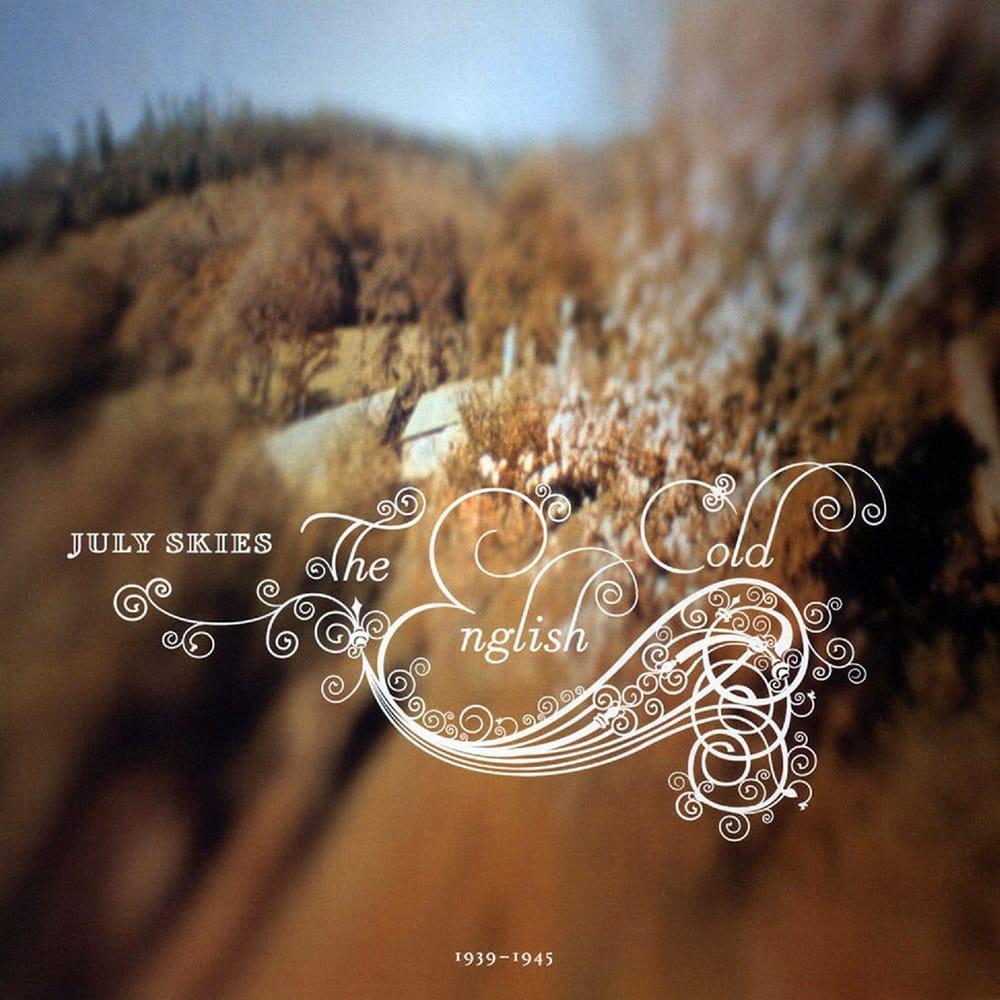
Anthony (July Skies) always has lots of stories, transcripts and visual material to read through before starting the project. Most of his albums are based on historic events which we then use as starting points. Sharron Kraus’ album, ‘Pilgrim Chants & Pastoral Trails,’ was inspired by the nature near her home in Wales and it was important for me to capture this myself. I traveled down to see her and over a couple of days, she showed me all her favourite nature spots and I documented this with a tilt/shift lens. I hope these images evoke the dreamy beautiful songs. Coldharbourstores tend to let me have artistic freedom. We talk about the music a lot and then I tend to go away and experiment. I often think in colours and moods first and then see where this brings me.
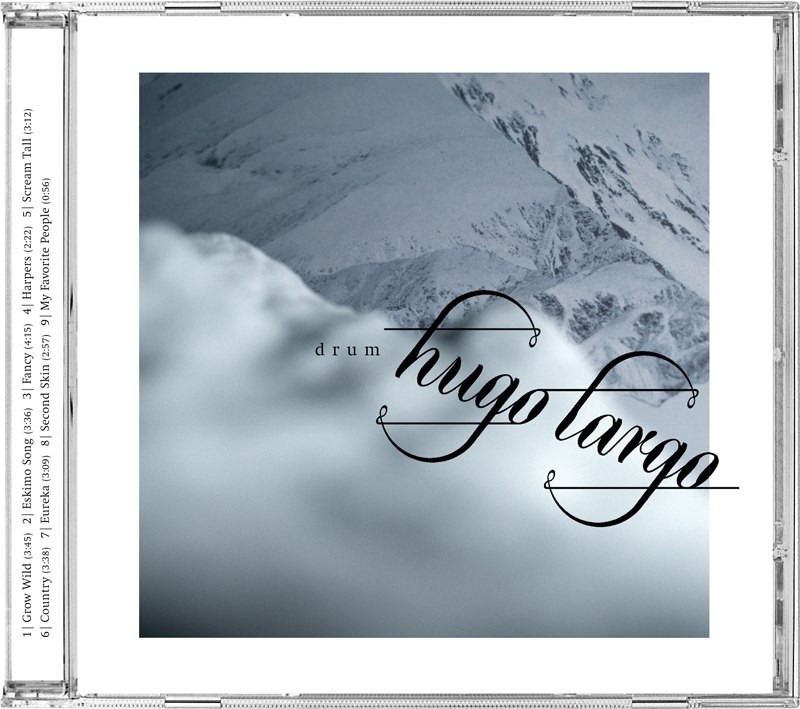
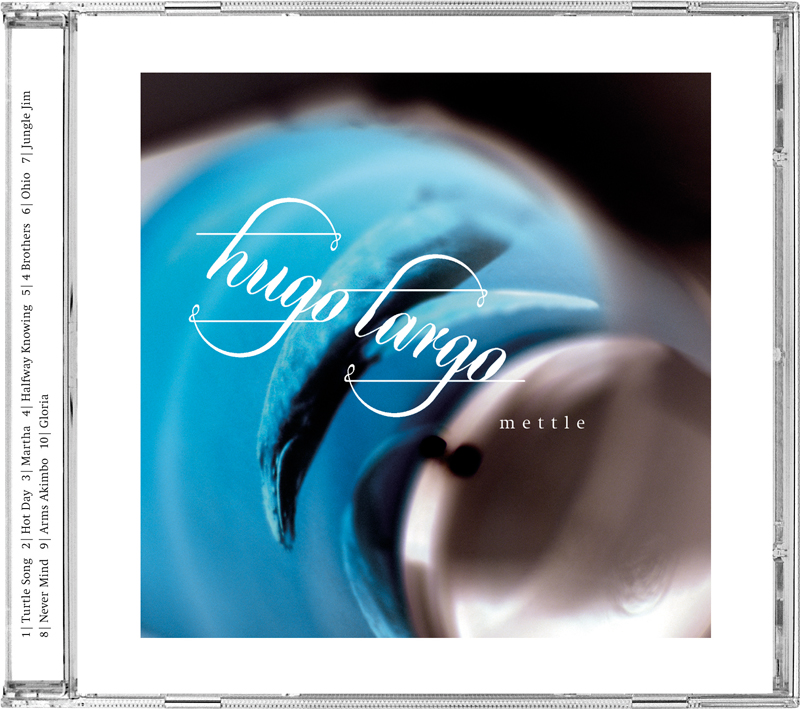
You also worked on redesigns of two of my favourite records – ‘Drum’ and ‘Mettle’ by Hugo Largo. What was the brief there?
Martin : Both records were re-released as CD-only on All Saints Records in 2006. I pretty much had artistic freedom on both those projects. We had a conversation about retaining a visual link to the original sleeves but that they needed to look more contemporary. Line (my sister and creative partner) designed this beautiful typographic identity that we used on both records and I did the design and studio photography. It was a lovely project but also the only one I ever worked on where I never received a single copy of the albums.
From experience, you’re in the hands of the gods with designing record sleeves, aren’t you? You can design something down to the perfect detail but if the manufacturer gets it wrong, it’s all in vain, isn’t it? What are your thoughts on production quality vs the designer?
Martin : This is such an important part of the entire process and something that is often underestimated by those involved. The choice of printing process (digital vs litho), paper stock, type of varnish, proofs, etc. This is what literally makes the artwork look and feel special. It is often the first thing that gets cut in terms of budget and it can obviously cost a little more but you can be creative around this as long as you are open and engaged with the designer you are working with. You can’t expect miracles if you use the cheapest paper, digital online printing and only a PDF as proof. In musical terms, it would be the same as having great songs but then recording the album using cheap equipment and releasing the album as low-res mp3s only.
You’ve made promo films for Piroshka, The Breeders, Geniuser, Lush, A Dead Forest Index, Iceage, Lowly. How do you approach visualising a song? Do the artists or the record labels invariably have much input? In the late ‘90s, I recall some labels spending hundreds of thousands of pounds being spent on promo videos. In these austere times, how difficult is it to realise your vision on a shoestring budget?
Martin : Almost all of the videos I have directed have been commissioned directly by the artists and not by the label and I have more or less had artistic freedom to do what I wanted. Due to budget restraints, I have insisted on having creative freedom, but it will obviously still involve some kind of an idea, storyboards, visual references that have to be approved first by the artist.
I approach the video work similarly to the artwork. It starts with listening to the music, talking to the artists and finding out what the idea of the song is – finding visual triggers. There is often a lose concept or a mood that needs conveying. I always have pictures in my head and an overall atmosphere that I want to achieve. I like being suggestive rather than descriptive with the storyline. As an example, in the Iceage film, ‘Against the Moon’, there is obviously a dark, slightly sinister feel to it but we don’t really know what DVH (the main character) gets up to, we can only imagine. I enjoy this way of working and it keeps it exciting and spontaneous.
It’s very much the complete opposite of my commercial stop-frame animation work where you need to know what happens in every single split second of the frame before you start shooting. Every music video have been very different, some have been collaborations with Kim Thue, some with Chris Bigg and my sister, Line Andersen and it’s been an honour to direct some great people including the now deceased cult actor Dan van Husen, who had featured in Fellini’s Casanova, directed by Federico Fellini, 1976 and Nosferatu the Vampire, directed by Werner Herzog, 1979). I enjoy the video projects very much and I feel I still have lots to learn and do.
As you’ve mentioned, you frequently work with your sister, Line. Who does what?
My sister and I worked actively together in the studio between 2003–2011. We then both had children and have since only worked on selected projects together. I tend to do the art direction, design and photography, while she works on the illustrations, model-making and animations. However, we sometimes cross-over on each others turf. We are very close, share the same music and art inspirations and have a natural understanding of what we are both looking for.
We both love music and have collaborated on numerous projects but for many years we worked almost entirely on stop-frame animations. We were the first to really work with paper animations and were lucky to win a lot of awards. We then got a producer, who was fantastic, but the industry quickly dragged us into the commercial world of advertising and it quickly became soulless and meaningless. Most of the ideas and scripts were really poor and we weren’t allowed to contribute. They just wanted the craftsmanship, but at the same time we were constantly asked to cut corners by using CG and other trickery to speed up the process and we ended up falling out of love with it all and then decided to pack it in.
We still sometimes get some lovely independent commissions though. We did a real fun music video for Genuiser (Mick Allen, formerly of The Wolfgang Press). The idea was to create a dark dystopian place, factories with old machinery and mysterious creatures, everything in sync to the pumping music all drizzled with seedy drug and sexual references. Our production concept was to create all the characters and sets only using things we could find on the street; lots of old broken screws, toys, wires, coconut shells, stones, etc. It was all hand-made over a couple of weeks. Chris Bigg contributed the hand-painted brushwork lyrics.
Watch the video here : https://www.andersenm.com/film/geniuser-monkey
Background on the making of the video here : https://www.soundthread.net/post/2018/08/01/andersen-m-studio-animates-geniusers-monkey-music-video
Like me, you’re a dog lover. Tell us about ‘Dog Shows,’ your 10 year documentary of international dog shows. What impact did it have on how you see our relationship with man’s best friend?
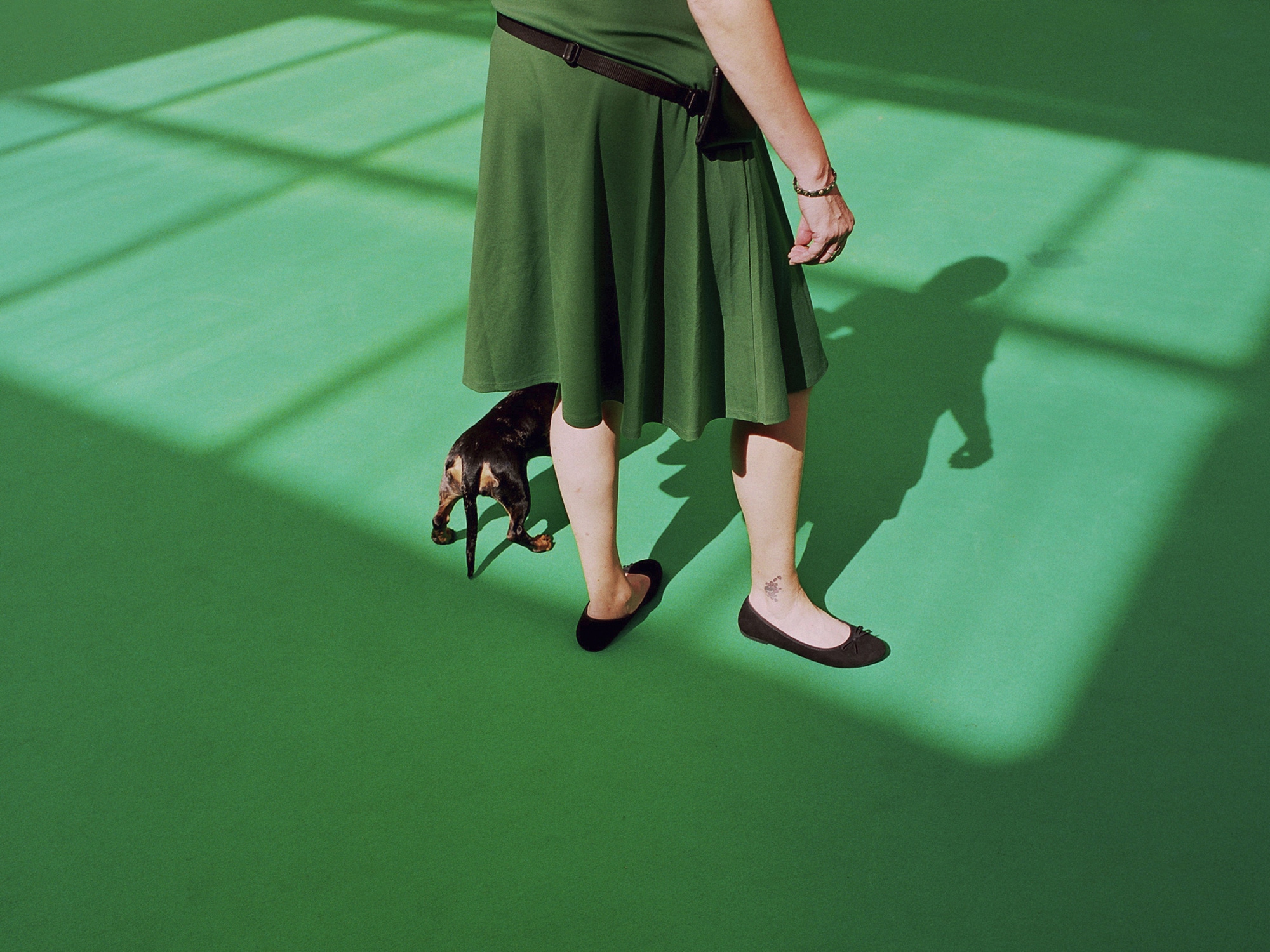
Martin : I first began my documentary photography work in 2004 after leaving v23. ‘Dog Shows,’ was the first of now 4 long-term photography projects. Upon leaving v23, I had set up as ‘Andersen M Studio’, but quickly became increasingly frustrated by working alone. I was also getting more and more interested in collecting photobooks and became inspired by photographers such as Gary Winogrand, Susan Meiselas, Jeff Mermelstein, Bruce Davidson, who all documented people and real-life events. I decided to start moving my lens outside of my studio and in 2004, I started the ‘Dog Show’ project. I quickly learned that I was more interested in what was going on behind the stage, than the actual shows themselves – I was drawn to the chaos, madness and the surreal, the eccentric owners and their beloved dogs. It became an obsession and I began attending many shows abroad both in Europe but also in the States. It felt so liberating to not spend an entire day setting up for a shoot in a studio but instead being part of an activity, I knew nothing about. I have always been attracted to the surreal in everyday life and I was fascinated by the many strange dog breeds and the obsessive eccentric competitors. It was also nice to have a project that didn’t involve any clients, which meant there was no pressure in showing anyone what I was doing and that I could slowly learn as I went along.
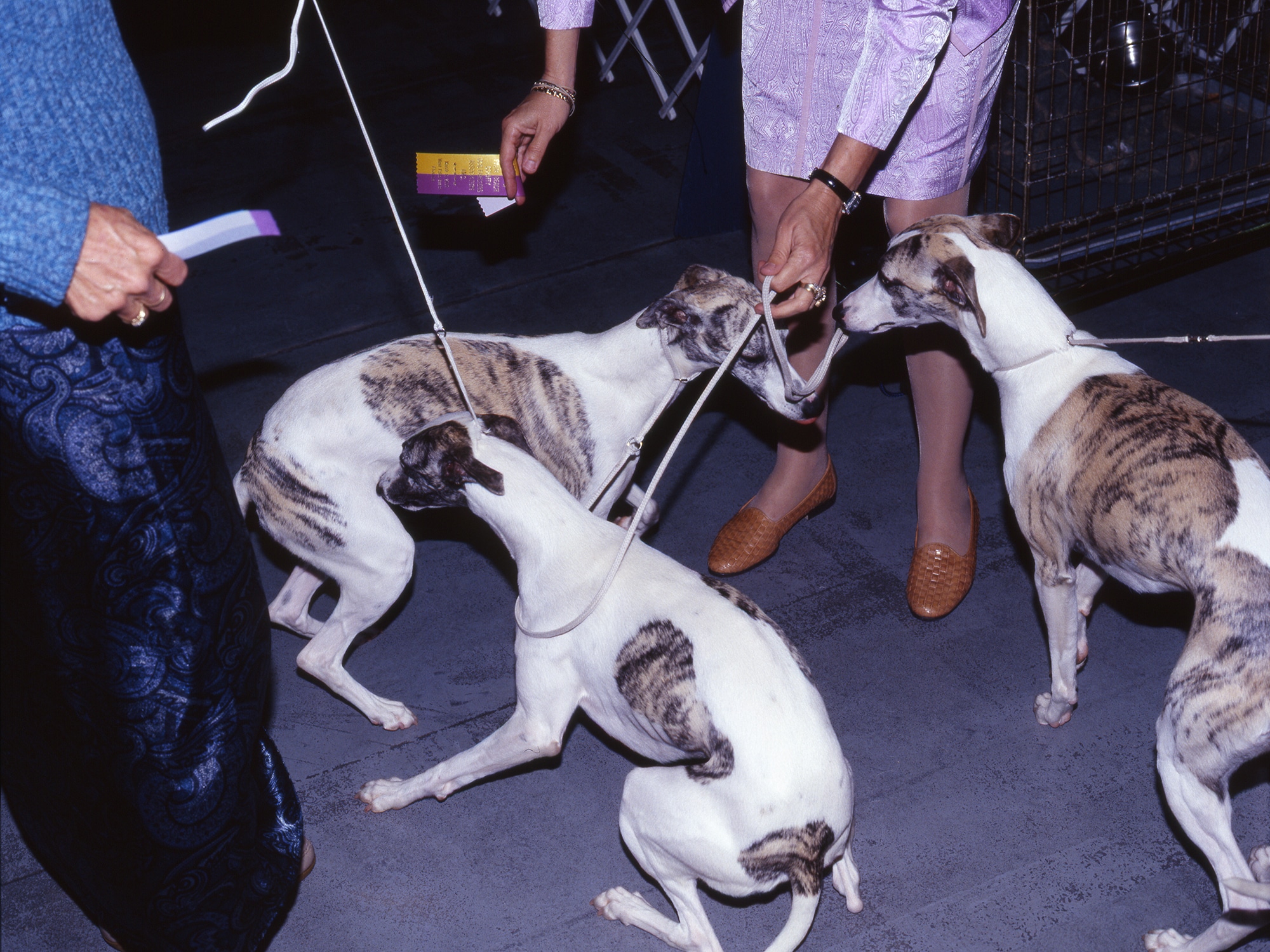
I never really had a plan with the photographs, and it wasn’t until I started including them in lectures some years ago that I realised that a lot of people really liked this project. Some of the pictures always created a reaction from the crowd. More and more people encouraged me to put the images on Instagram and after a while, magazines and newspapers from around the world contacted me asking if they could feature the project. It’s been nice seeing so many people appreciate them, both people interested in photography but also dog lovers. I hope one day to make this series into a beautiful book.
In terms of the ethics of the shows, I can only say that I have a slightly different view on these events now than when I was documenting them. There is something slightly unsettling about some of the antics at these shows – handlers and groomers often prepare the dogs for the competitions using some force, hair-pulling, hair spraying and applying makeup products and to produce winning show dogs, breeders try to breed dogs with specific physical attributes, which means narrowing the gene pool. However, I do believe that all the owners ultimately love their dogs and I do believe that the dogs are treated with great care and a lot of love. It certainly comes across when you spend time and speak to the owners and when you see the dogs enjoying competing over and over again.
You’re a devout Tottenham supporter. Tell us a bit about ‘Can’t Smile Without You,’ your photographic documentary book on Spurs fans. Why did you decide to specifically focus on that subject? How has it been received by the fans themselves?
Martin : After moving on from documenting Dog Shows I started on a few different documentary projects. One of these was about the last days of the travelling circus. I spent an entire summer travelling with a circus around the UK and this is where I met my wife, Elina Masai, a Kenyan acrobat. To cut a long story short, I fell in love and the project ended once I proposed and she moved in with me in London.
I started looking for ideas for another project and decided to start bringing my camera along to my beloved football club on match days. I’ve been supporting Tottenham most of my life and seen us in good and bad times. I’ve seen players and managers come and go and it can be frustrating, even heart-breaking, when they leave for another team. Sometimes, it can feel like there’s little loyalty in football. One day you are Spurs, the next day you can go play for a rival. The focus is always on the players and the manager. I was interested in making a project about the fans. The fans never switch allegiance, they are there forever and I felt that needed to be documented and celebrated.
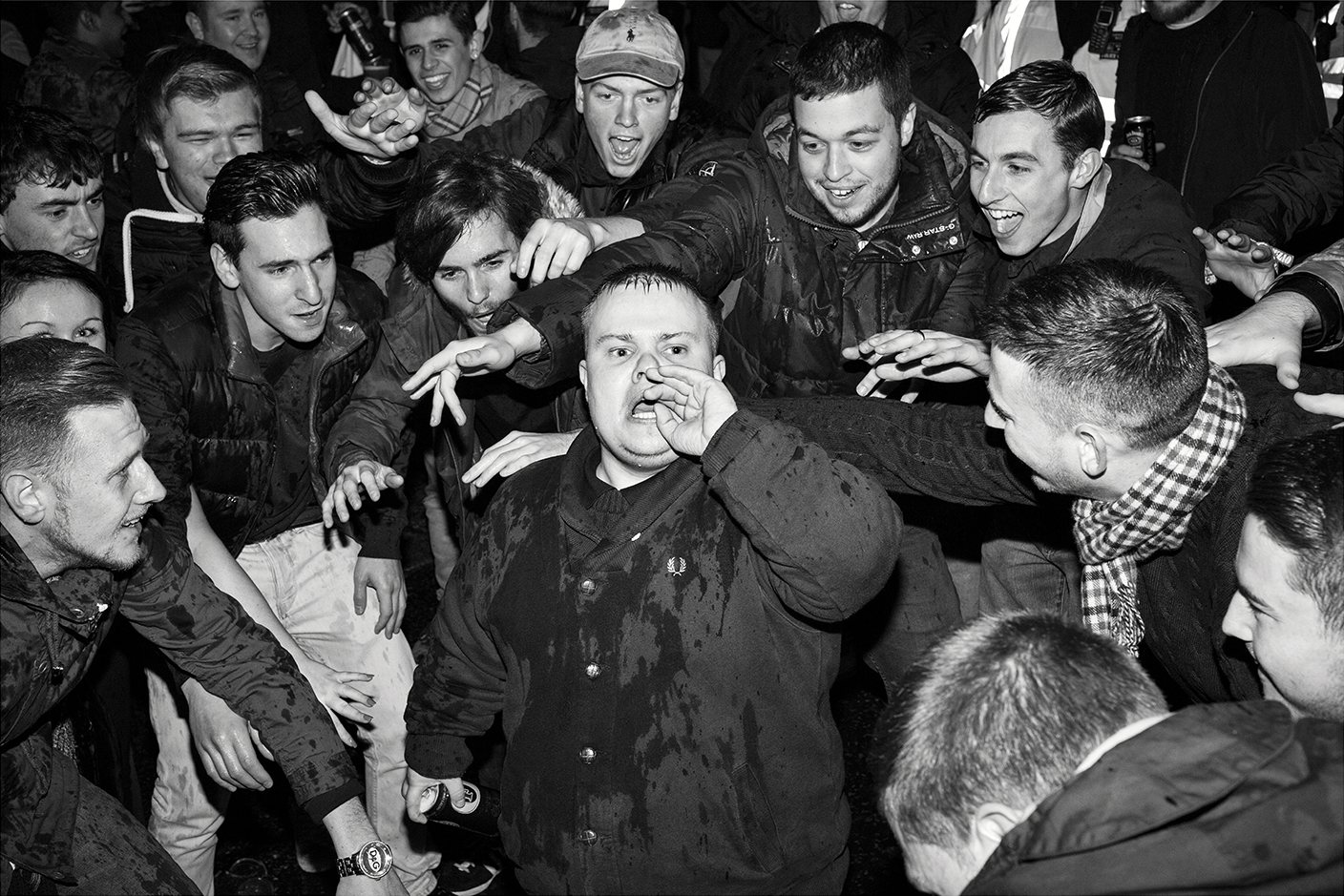
I started bringing my camera to the games and photographed the atmosphere on the streets and in the pubs before and after. It ended up growing into an obsession and over 5 years, I went to almost every home and away game and some of the long trips around Europe. I realised that I was beginning to document a piece of our history — the last seasons at White Hart Lane (Tottenham’s ground from 1899 – 2017). I decided that our last game at White Hart Lane should be the end point of this project. It felt fitting to put that into a book to mark the occasion. I wanted to make it into a beautifully printed book, both because of my love of photobooks but also to be able to give something back to the fans, both to those who go to the games, week-in-and-week-out but also to the many fans who, for some reason, can’t go to our games and who might be interested in visually experiencing that.
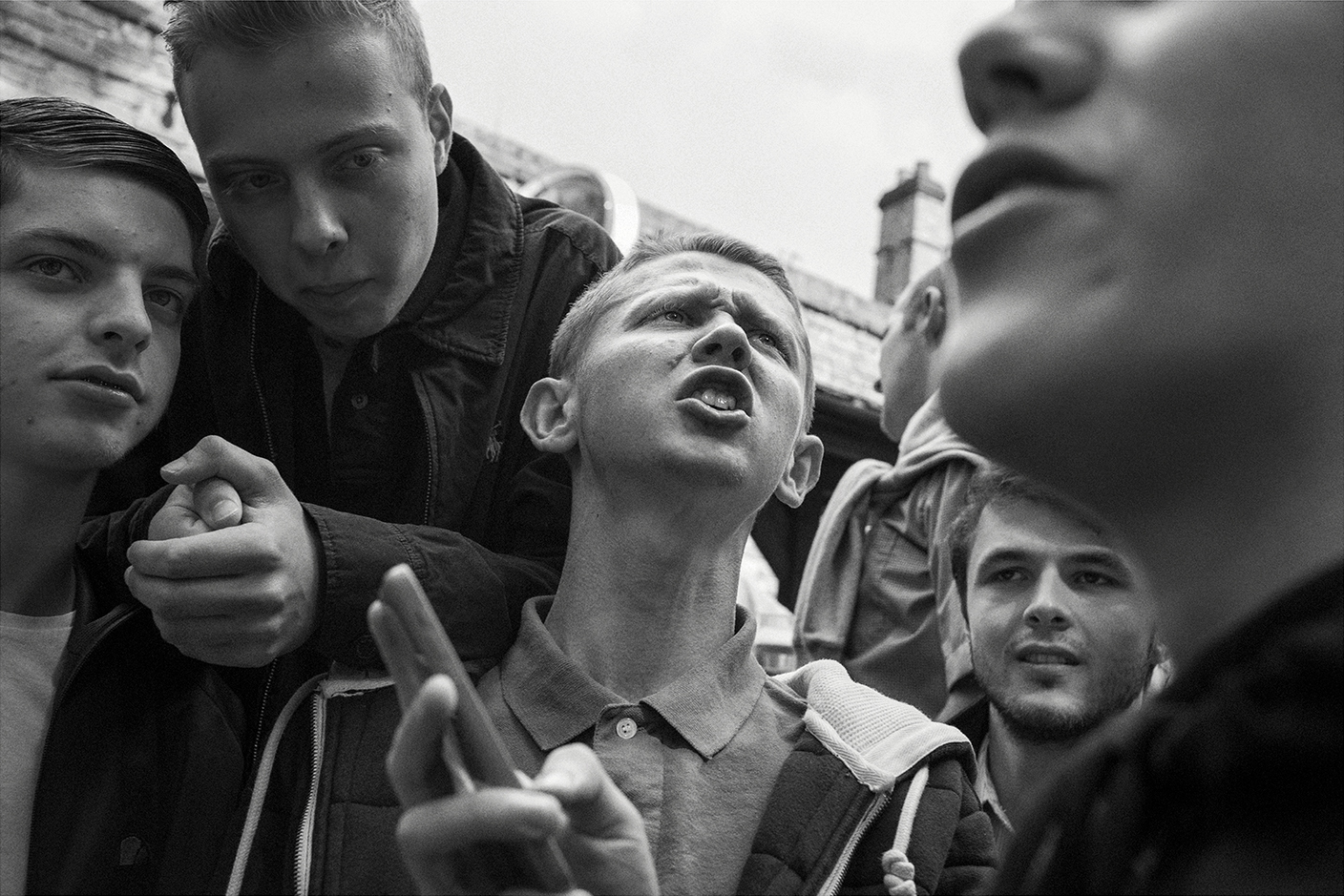
Like the Dog Shows pictures, I really wasn’t interested in the main event (“the game”) but instead in everything else that goes on before and after. I wanted to capture the different generations of fans, the camaraderie, the banter, the songs in the pubs, the madness, the obsession and the violence. It was integral that the book should have some artistic merit in terms of photography and I hope it is as much a book of beautiful photography as it is a book about football culture.
I was overwhelmed by the way the book was received; it truly came as a complete surprise. It was featured everywhere. The BBC, The Guardian, ESPN, The Face, The Times, Vice, It’s Nice That, Creative Review etc. and multiple magazines, newspapers abroad. I was also invited to exhibit a selection of the images at the SoShiro Gallery and at Pocko Gallery in London and it was great to see so many fans attend these shows.
I have only received really positive messages from the fans and many have written to me in person with funny stories and anecdotes about some of the pictures or people I have photographed. Recently the book was included in ‘British Documentary Photography Since 1945,’ a book by Gerry Badger (Martin Parr Foundation), published by Thames & Hudson. I am proud of that. It feels as a great accolade for a self-financed and independently published book project.
Tell us a bit about ‘Sojourn.’
Martin : All the pictures from Sojourn were shot around the world, when I was on holiday. They are the outcome of my inability to just sit still, when I am meant to relax. I have always loved people watching and I am fascinated by looking at other people having a good time. There is something beautiful and dreamlike about photographing people in the sun that look relaxed and happy. This is an on-going series, that is still a work in progress.
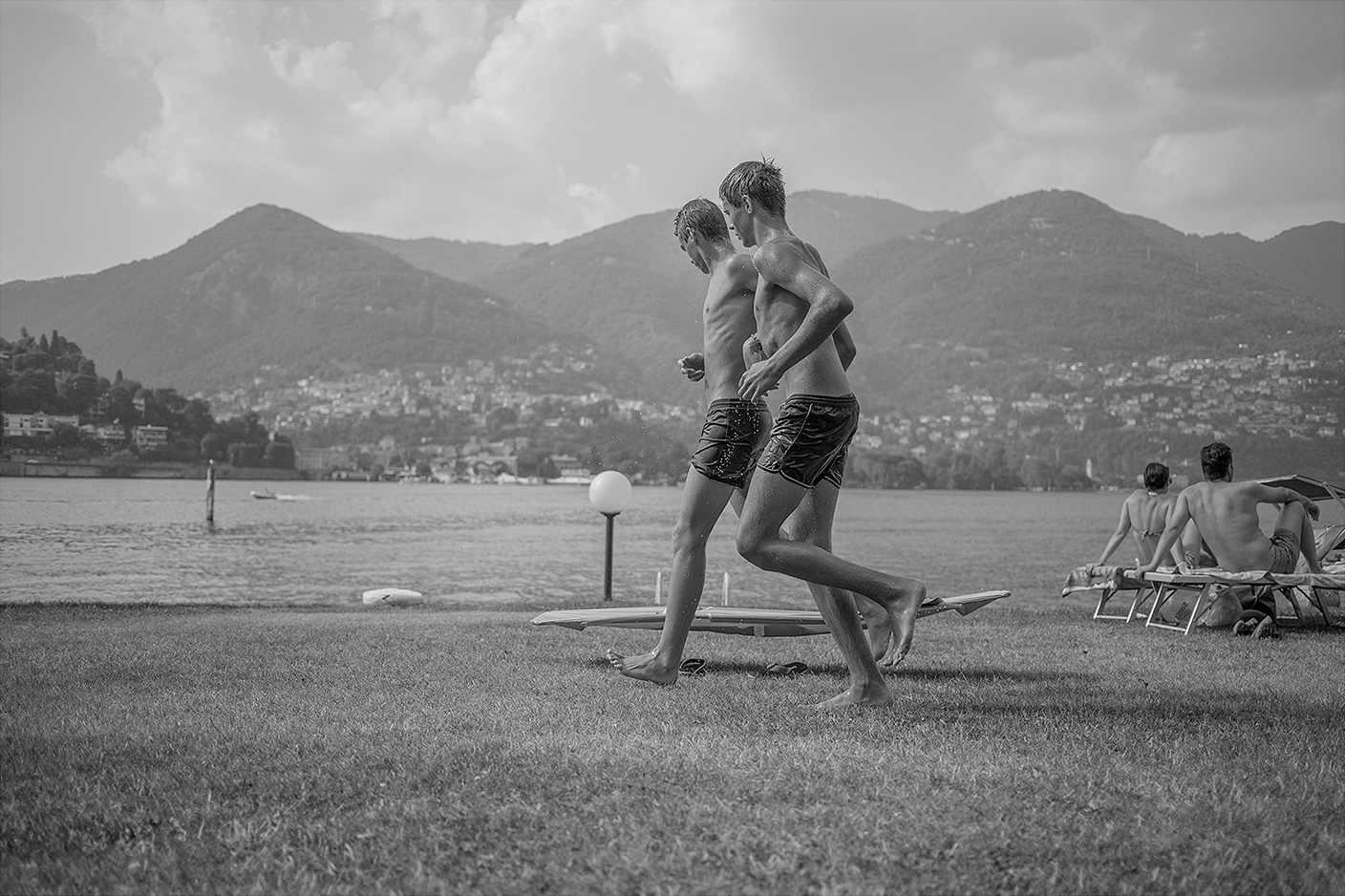
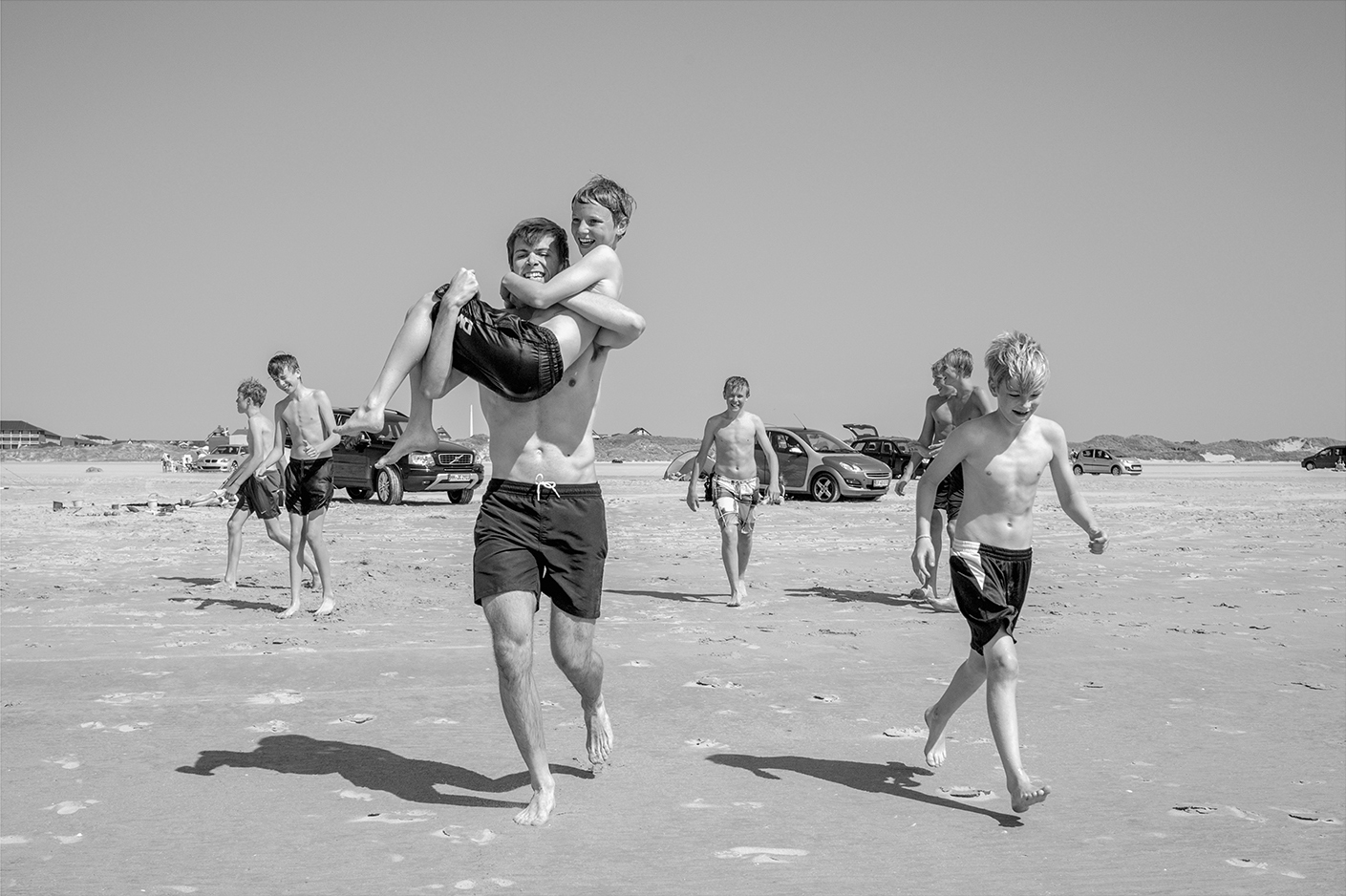
As a Dane in England, I’m curious as to what you think about the Brexit shitshow and the pros and cons of living here versus the Danish lifestyle. Denmark is often listed in the happiest countries in the world when, particularly now, the UK appears to be going through an elongated grey period, with no relief in sight.
Martin : Don’t get me started on this. I was devastated the morning I found out about the Brexit vote. It is very tragic and I believe it was caused by a campaign of lies and fear mongering not seen since the Iraq war back in 2003. I am actually shocked (Nigel) Farage and Co. got away with it that easily and I do feel that our democracy is up for question.
I was part of the first generation of students who had the opportunity to study abroad and it has enriched my life and made me a better and more well-rounded person. I am so sad that generations of young people have been robbed of that opportunity. It has nothing but made the country more right-wing and racist. I hate the current strict immigration policies and I truly despise the current government with all my might.
With regards to Denmark, I think people who grow up there are generally satisfied. They would be of course, as they have things like free education and healthcare, low crime rates, cushy social security nets and they’re fairly prosperous. However, it is also a very homogenous society and there is a maybe a lack of individuality and cultural awareness. People very much share the same taste and it makes it all a little bland, especially if you are someone who is drawn to chaos and to people who work outside the system. I hate the centre of the social strata – the middle of the road of anything – what is the most popular.
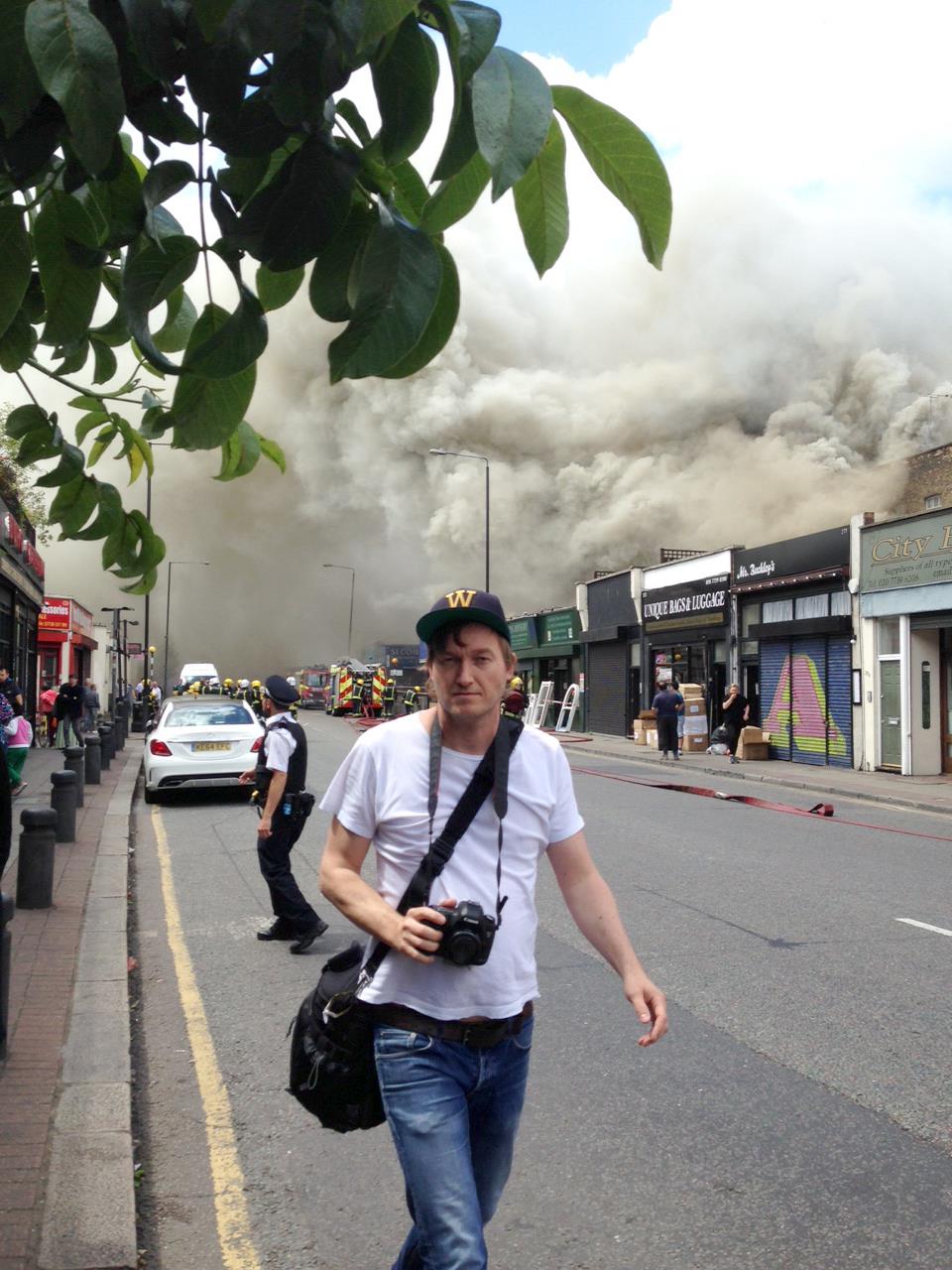
Since you left v23 you have been teaching part time at Central Saint Martins (School of Fashion), University of Brighton (Visual Communication) and you are currently the Course Leader at Cambridge School Visual and Performing Arts (MA Visual Communication). What made you want to be a teacher?
Martin : I never had any ambitions to teach, but upon invitations I started doing a few lectures and workshops and I found that I really enjoyed it, so I continued to do so alongside running my studio. It’s now been a big part of my working life and it’s been such a great honour and a humbling experience to be able to inspire and teach so many talented students (ex-students include Alex Bec and Will Hudson (founders of ‘It’s Nice That’), Ibrahim Kamara (Editor in chief at Dazed and Beyonce stylist), Kathryn Ferguson (Film Director / Nothing Compares), Campbell Addy, Gareth Wrighton, Miriam Elia (artist), just to name a few.
Chris Bigg joined me at Brighton and for some years we ran the final year together, which was absolutely fantastic. We bought a record player and basically ran the course like a design studio. We managed to overturn a poor NSS (National Student Survey) result of 54% to 92% satisfaction within 1 year – the highest NSS the university has ever had.
Unfortunately, the Tories have pretty much ruined these old art schools by constantly cutting funding and within a few years, Brighton went from 35 students a year to over 100. There was also suddenly too much emphasis on having the correct teaching qualifications, etc, which resulted in a staff team of “academics,” most of whom had no or very limited experience as designers working in the industry. I felt more and more dissatisfied and decided to leave. Chris and I actually left on the same day, both to pursue new design projects instead.
Recently I was approached by Cambridge School of Visual and Performing Arts and I was offered the opportunity to become the new Course Leader on the MA Visual Communication Course. It’s a fantastic private school with good links to Cambridge University (Cambridge Creative Encounters) and the Faculty of Music which means inspiring collaborative projects for our students. The school only takes 10–15 students on each of the 2 courses (Graphic Design and Illustration & Animation) so you have time to get to know each other well and most importantly you have time to develop talent. The school also have good analogue equipment alongside the digital for example a traditional dark room etc. which is rare these days.
I am currently in the process of setting up my own weekly online class which I am very excited about. It’s a series of lectures, workshops, set projects, 1-2-1 tutorials and portfolio reviews. It’s all about developing talent, unlearning bad habits and learning new ways of seeing and very much a practical course, all about the joy of designing and image-making. Anyone interested should get in touch: martin@andersenm.com
You also make your own music on the side. You’ve recorded under various guises including Little Friends Of Jesus, Demonstranterne, Les Poodles, National Arabic Foundation, 16-Beat Entertainer, Artin and Yembibi, 72 Evil, Hest, NaM, Ok John, What’s Up? and under your own name. More recently, your Enjoy Your Parrot project is active again. What can you tell us about that/the other projects?
Martin : I am a total music lover and I think had I had the talent and determination, I would have been a musician rather than a designer but working on the visuals for music releases seemed like the next best thing. You are somehow still involved in it all.
My music projects are really just a side project, or a hobby. I have never had any ambitions to release anything or think any further than just having fun while experimenting in the studio. All the different projects are really just me wanting to explore new styles or way of working. I used to make CD-Rs and would hand them out to friends and family and we did a few one-off vinyl albums for our own collections. I was also never interested in performing. I only ever did one live show at the ICA, London in 2008 with my band, Hest.
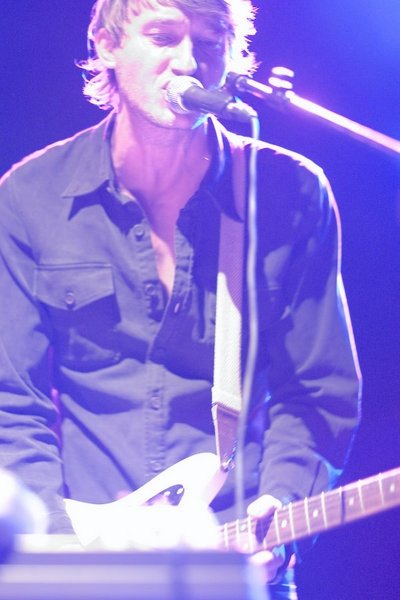
The one thing all my music has in common is the way I like to work. Everything has been captured in the moment. I have never played or practiced a song more than once or spent months mixing something. Over the years, I have had some nice compliments from artists such as Jason Pierce (Spiritualized), Rhys Chatham, Craig Clouse (Shit and Shine) who have all expressed some lovely things about the music.
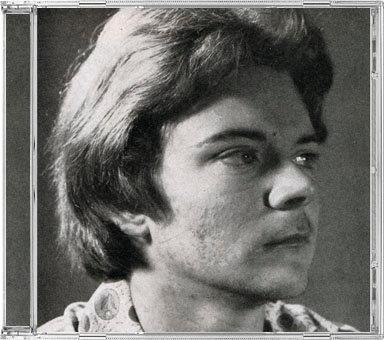
The ‘Enjoy Your Parrot’ project was a project started with my best friends when we all lived in Shoreditch between 2000–2012 – Basically a group of obsessive and eclectic music collectors. We are now living faraway from each other as in Canada, Greece, St Leonards and London, but we now meet up 2-3 times a year and just jam in a hired studio.
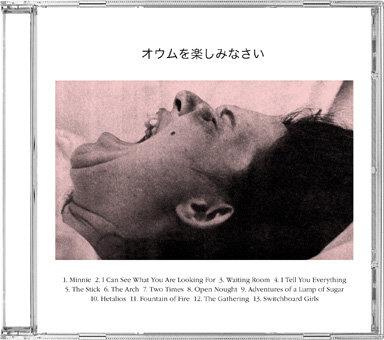
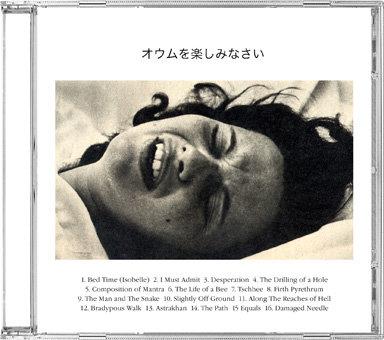
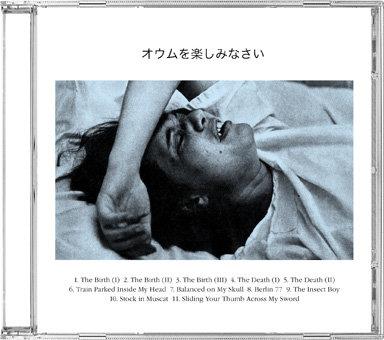
I stopped playing music once my daughter was born and most of my equipment was put in storage. I needed a break to raise my kids, concentrate on fatherhood and my marriage. The kids are now 6 and 9 and I recently set it all up again and bought some additional instruments. I am finally working on new music and it’s exciting to be enjoying that way of creating again. It is so immediate and satisfying compared to many other artforms. You never know, I might put some of the recordings out one day.
Links to music:
https://www.andersenm.com/play/hest-1
https://www.andersenm.com/play/evil
https://www.andersenm.com/play/ok-john-what-s-up
https://www.andersenm.com/play/enjoy-your-parrot-15
https://www.andersenm.com/play/outtakes-vol-1

 Arcane Delights